Commercial fencing is one of those line items that tends to get pinned down late, even though the choices stick around long after the build is finished. A panel installed today shapes how the property looks and performs for the next ten or twenty years.
Buyers who get the best results usually start the conversation early. They weigh up budget, security, compliance, and how the boundary will read from the street, then choose a supplier who can deliver on all of those without compromising any one of them.
What types of commercial fencing suit different environments?
The right answer depends on what's behind the fence and who needs to see it. Most large sites benefit from a mixed approach rather than a single spec running the entire perimeter.
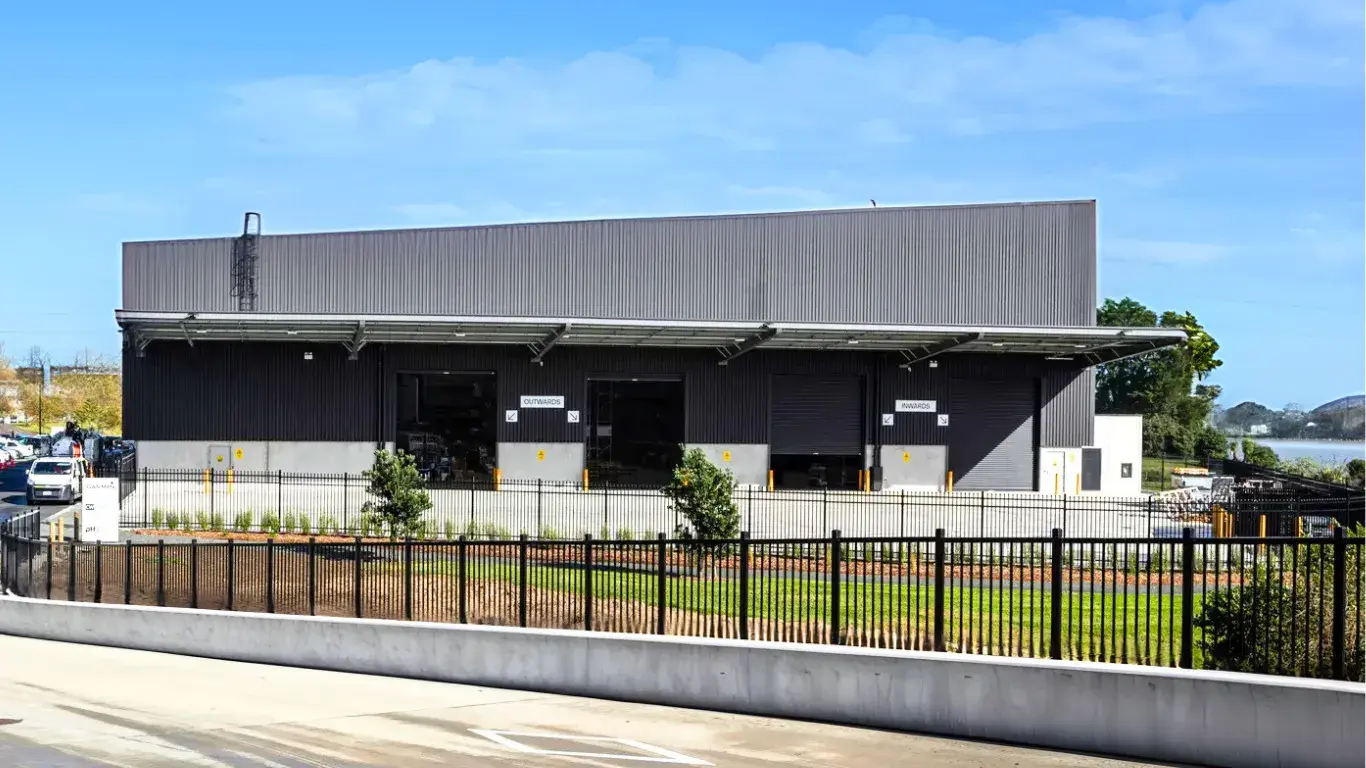
1. Industrial and warehouse – Chainlink (around 2.4m high) suits back-of-house operations where security outranks appearance. Road frontages and front-of-house zones get the upgrade to panel fencing like Urban Group's Secura range, with spike tops, in 2.1m heights and powder-coated black.
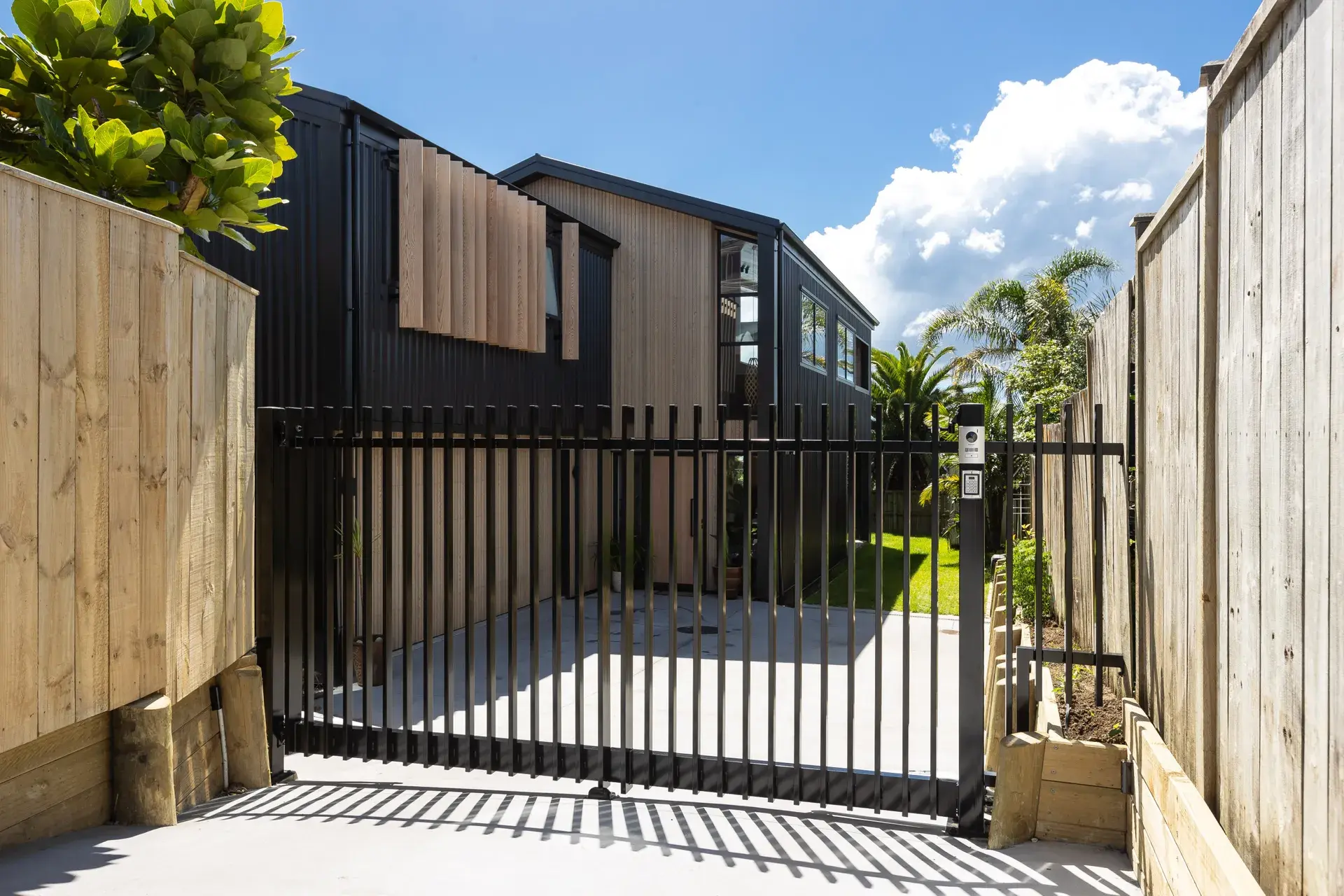
2. Multi-unit residential, education, and parks – Aluminium fences are the standard pick. Light to install, won't rust, and they powder coat in any colour. Pool and spa zones have their own compliance overlay (covered later in this blog).
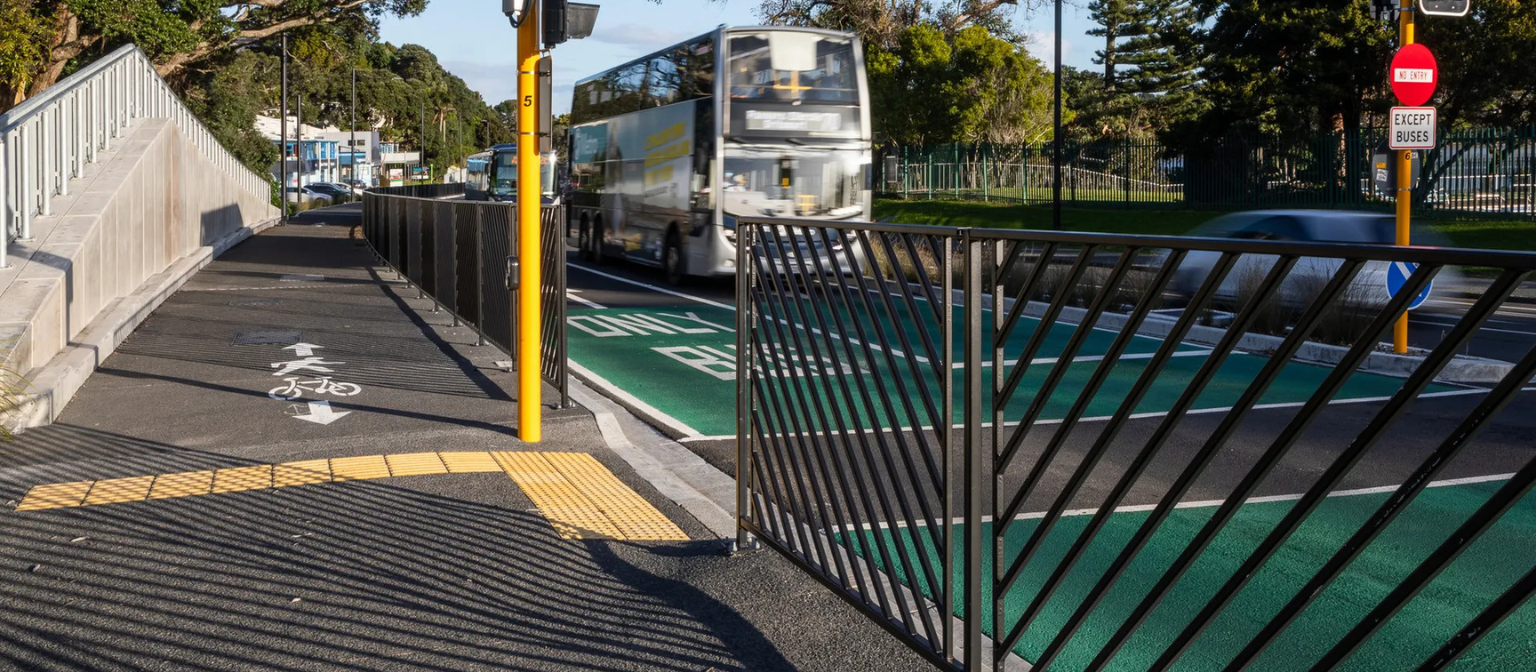
3. Civil and transport – A blend of robust security and clean lines is the usual brief. Aluminium covers both jobs without the maintenance overhead of timber or untreated steel.
.png?width=1100&height=700&name=UG%20Blog%20images%20(1).png)
Are aluminium fences strong enough for industrial use?
There's a long-running misconception that aluminium can't hold up in industrial settings. Strength is mostly about profile size, not just material choice. A 25x25mm square bar in aluminium is meaningfully stronger than the 16mm round bars common to many steel tubular panel specs. Welded construction adds rigidity, and a quality powder coat seals the surface against corrosion, so a properly specified commercial aluminium fence outlasts untreated steel in tough environments.
For most commercial applications, 2.1m is the standard panel height. Once installed, it sits at roughly 2.2m. That figure is worth knowing when you're checking fall heights, sightlines, or council planning rules.
Comparing panel styles before locking in a final spec is much easier when you can see them side by side. Take a look at Urban Group's full fencing range to weigh up profiles, heights, and finishes.
What compliance requirements apply in New Zealand?
A few apply across most commercial projects. Pool and spa fencing must meet the F9 Building Code, which covers height, gap dimensions, and self-closing gate hardware for any water feature deeper than 400mm. Boundary fencing falls under the Fencing Act 1978 and the relevant district plan, which can dictate maximum heights, allowable materials, or setbacks (heritage zones add another layer).
Schools and public parks usually need anti-climb and anti-trap details alongside standard durability specs. For construction sites and industrial properties with hazardous equipment, health and safety legislation drives perimeter security requirements with documented sign-off.
Always confirm the specifics with your local council and project specifier before locking in a final design.
What should you look for in a fencing supplier?
The fencing NZ market has plenty of operators. Some have been around for generations. Others appear, undercut on price, install substandard panels, and disappear before any warranty claim lands. Sorting one from the other mostly comes down to time in the market, in-house capability, and warranty cover.
A manufacturer with three generations of fabrication experience offers something fly-by-night operators simply can't match. In-house manufacturing and powder coating reduce variability in quality and lead times, since outsourced finishes often shift batch to batch. A ten-year warranty on coatings and workmanship is the benchmark in the premium segment.
Before you commit, ask for case studies from commercial projects similar to yours and confirmation that stock and manufacturing capacity will hit your programme.
What drives commercial fencing costs?
Material and panel choice are the obvious factors, though rarely the biggest variable. Site conditions shift the price more than most teams expect:
-
Sloping ground: Stepped or raked panels, additional posts, and longer install hours all add to the bottom line.
-
Soft soils: Concrete piles or oversized footings may be required to keep panels stable over the life of the build.
-
Access constraints: Narrow entries, busy roads, or height restrictions slow the install crew and stretch labour costs.
-
Perimeter length and extras: Long runs with multiple gate openings, automation, or feature posts add up fast on materials and hardware.
The most reliable way to lock in pricing is a site visit from a recommended installer who can factor in conditions an off-the-shelf quote can't see. A current price list from your supplier gives you accurate unit costs to build a realistic budget around.
.png?width=1100&height=700&name=UG%20Blog%20images%20(4).png)
When should fencing be planned into the project?
Earlier than most teams treat it. Fencing intersects with civil works (footings and trenching), services (gate automation cabling), landscaping, and council consents. Bringing it into the conversation at the design and consent stage prevents three common headaches: clashes with retaining walls, cabling that should have been stubbed up but wasn't, and lead times that miss your handover date.
If fencing has already slipped down the list and you're mid-build, the fix is a quick site visit and a fast-track conversation with a supplier who has manufacturing capacity ready to go.
Accurate budgets for commercial builds rely on current pricing, not last year's numbers. Request the latest 2026 fencing price list from Urban Group to plan with confidence.
.jpg)
