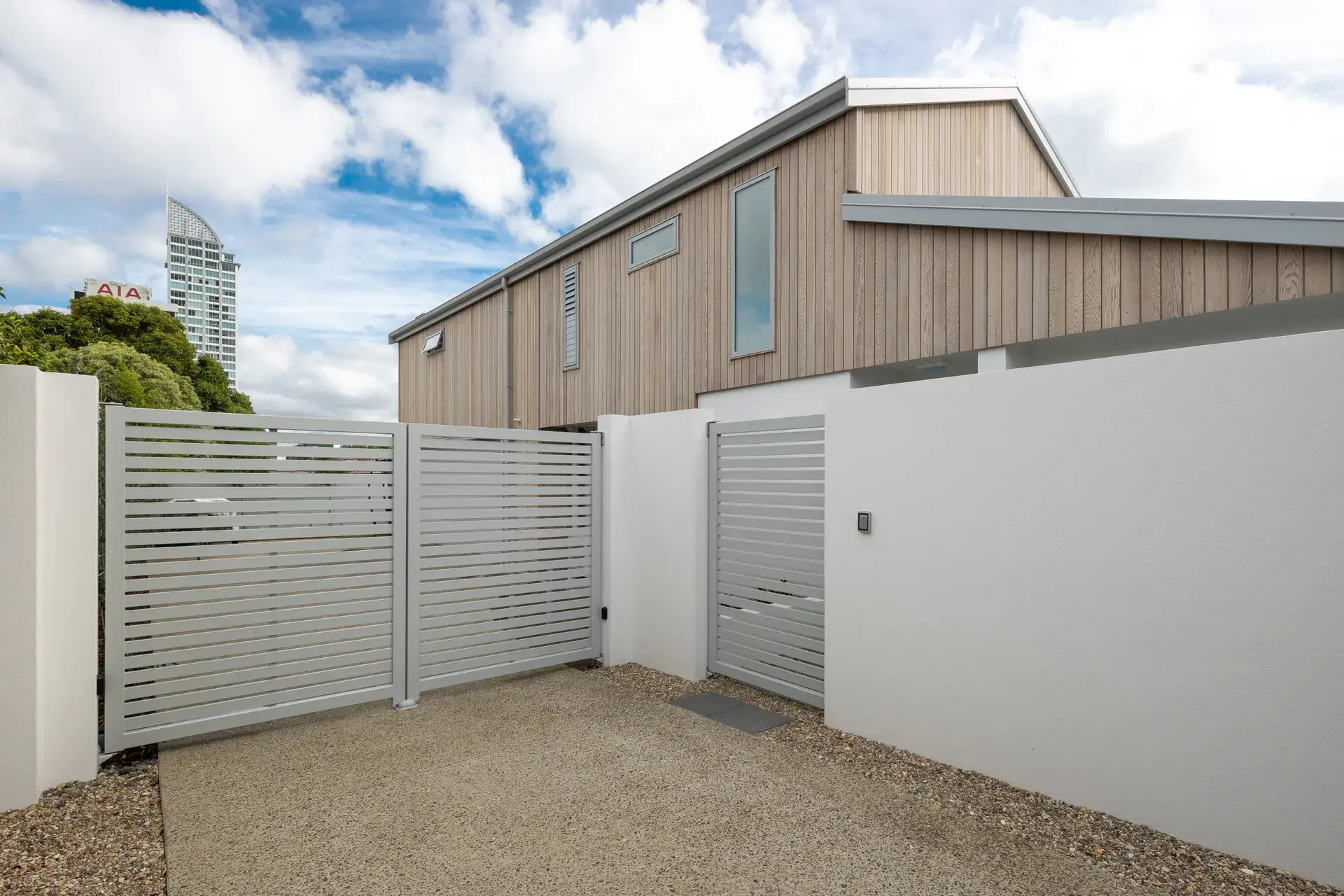
Automatic gate installations might seem straightforward, but the safety risks involved are substantial when corners get cut.
The industry has seen serious incidents that could have been avoided with proper installation practices, and understanding where things go wrong helps prevent future problems.
The pattern tends to be similar across incidents: safety features get stripped out during quoting to keep prices competitive, motors get undersized to save costs, and force settings stay at maximum because proper calibration takes time. When automatic gates lack basic safety measures like physical stops, properly configured obstacle detection, or radial dampeners on sloped installations, the risk of harm increases significantly.
These problems are avoidable. Proper gate installation following established safety protocols protects both installers and the people who'll use these systems daily.
What Goes Wrong (and Why) With Electric Gate Installs
Safety compromises in electric gate installations often start at the quoting stage. Safety beams and photocells get treated as optional upgrades rather than standard equipment. Installers bid jobs based on price alone, and quotes that include proper safety devices frequently lose to competitors who strip those items out.
Once on site, the pressure to stay on budget means more compromises. Automatic gate motors get undersized to save a few hundred dollars. Force settings stay at factory maximums because proper calibration takes time. Manual release mechanisms, while built into most electric gate motors used in New Zealand, are sometimes not adequately explained or demonstrated to property owners, reducing their effectiveness in power outage situations.
The electrical work creates another risk layer. Electric gate systems need connections done by registered electricians following NZ standards, but that requirement gets ignored when timelines are tight or budgets are blown. DIY electrical work on automatic gates might work initially, but it creates long-term risks that won't surface until something fails.
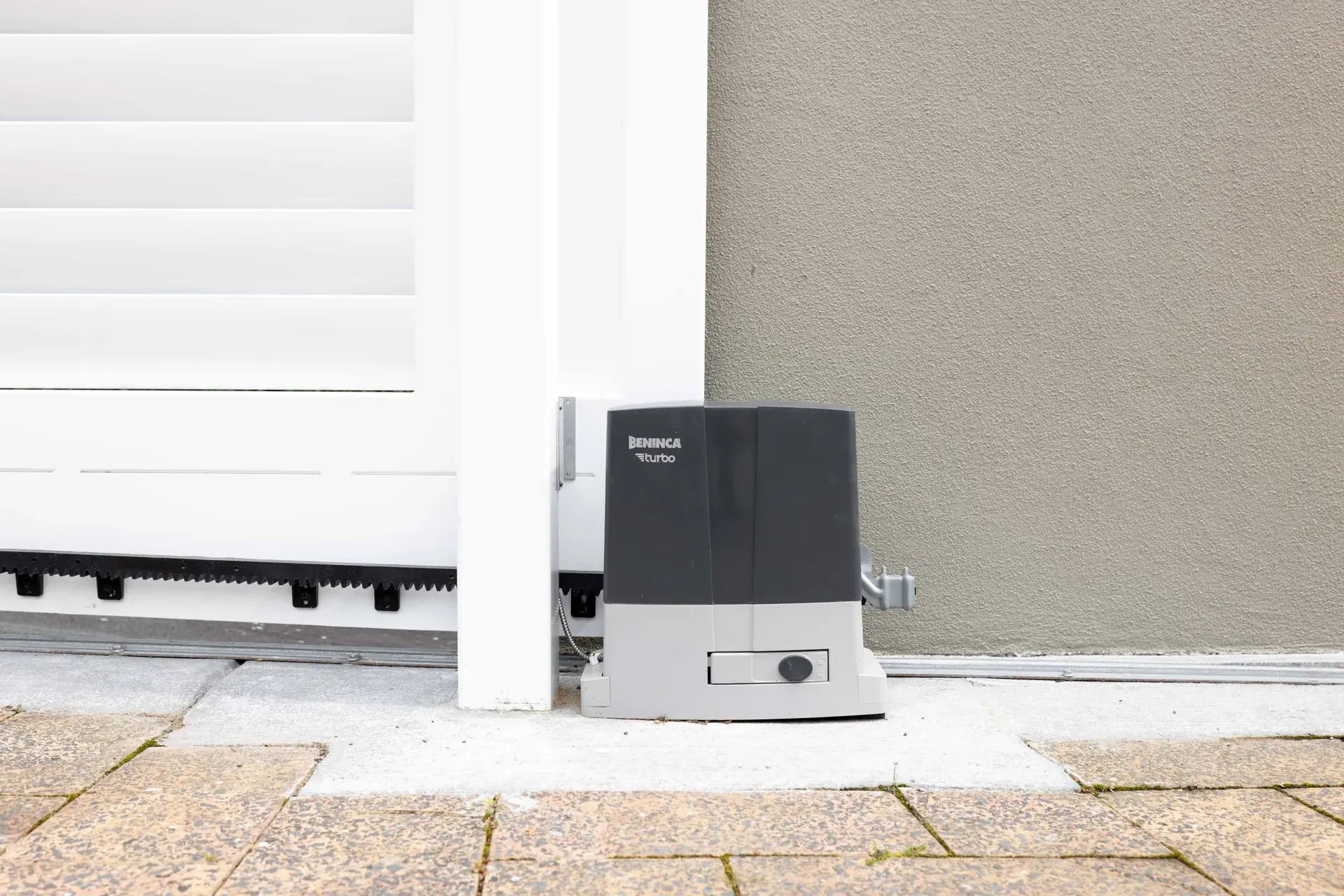
Nine Automatic Gate Installation Protocols That Matter
We've built our electric gate installation approach around WorkSafe's documented failure points. Here's what we consider non-negotiable on every job:
1. Foundation Depth and Post Strength
Residential driveway gate posts need 700mm minimum depth in concrete. Commercial applications often need deeper foundations depending on gate weight and wind exposure. The ground isn't just holding your gate up; it's resisting years of lateral forces from opening and closing cycles.
2. Properly Sized Automatic Gate Motors
An underpowered motor on automatic gates creates cascading problems. The system struggles during normal operation, leading to premature wear. When the gate encounters resistance (weather, debris, or a person), the motor can't respond appropriately because it's already working at capacity.
3. Physical Stops on All Electric Gates
Both swing and sliding gates need hard stops that define their travel limits. These stops work independently of your motor or control system, preventing movement beyond safe boundaries even when electronics fail.
Looking at different gate configurations? View our range here.
4. Safety Beams and Obstacle Detection
Safety beams should be standard equipment on automatic gate installations. Your gate motor needs obstacle detection capability, and the force settings need proper calibration. A motor set to maximum force won't stop when it encounters a child, pet, or vehicle.
5. Radial Dampeners for Slope Installations
Electric sliding gates on any grade need radial dampeners to manage momentum and reduce mechanical stress on the system. While most motors will lock in place during a power loss, dampeners still play an important role in controlling movement during normal operation and extending component life.
6. Structural Reinforcement for Automatic Gates
Large automatic gates and commercial electric gates need additional strengthening at corners and motor mounting points. The structure needs to handle expected forces without flexing or warping, which would compromise both operation and safety over time.
7. Accessible Manual Release
Every automatic gate installation needs a manual release mechanism that property owners can actually reach and operate. Training matters here, too. The manual release helps nobody if the owner doesn't know it exists or how to use it during a power failure.
8. Compliant Electrical Work for Gates
All electrical connections on electric gate systems must be completed by registered electricians following NZ electrical standards. This requirement exists because electrical faults on automatic gates can create multiple hazards, from fire risk to unpredictable gate movement.
9. Regular Electric Gate Service Schedules
We recommend six-monthly services for automatic gates to verify smooth operation, check for wear, test safety devices, and clear debris. Insects damaging control boards might sound like a minor issue, but it can disable your safety systems completely.
What to Remember When Comparing Automatic Gate Quotes
The cheapest gate quote usually achieves its price by leaving things out. Safety beams, properly sized motors, radial dampeners for slopes, and compliant electrical work all cost money. Some installers include these as standard, others strip them out to win on price.
If you're planning a gate installation, our product estimator can give you a realistic price point for a solution that meets your needs without sacrificing safety features. Check out the estimator tool here.
.jpg)
